Apartment storage is often less about finding more cubes and more about refusing to let bins become a second clutter layer. Vertical space, shared zones, and honest decluttering create capacity before you buy another shelf.
Always check lease rules before installing permanent fixtures. Safety matters with tall furniture—secure units when required, especially around children; see general home safety themes via the CPSC.
Principles for small footprints
- Go up before you go wide.
- Give weekly items the most reachable shelves.
- Store rarely used items higher or under-bed with labels.
- Declutter before containerizing.
- Leave some empty space on purpose so put-away remains possible.
Practical moves
- Do a one-zone declutter pass first—one-drawer method.
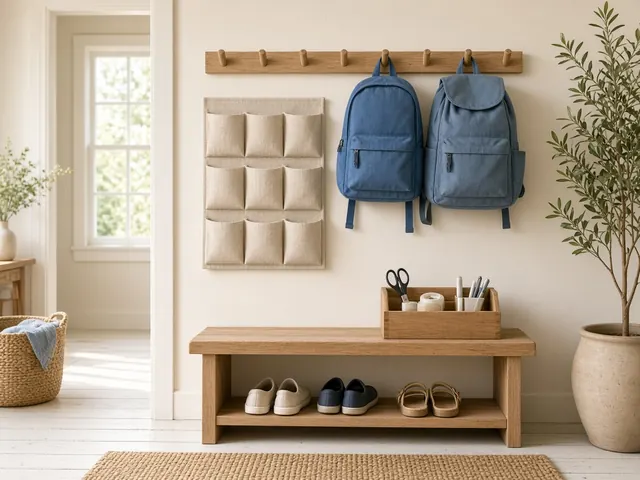
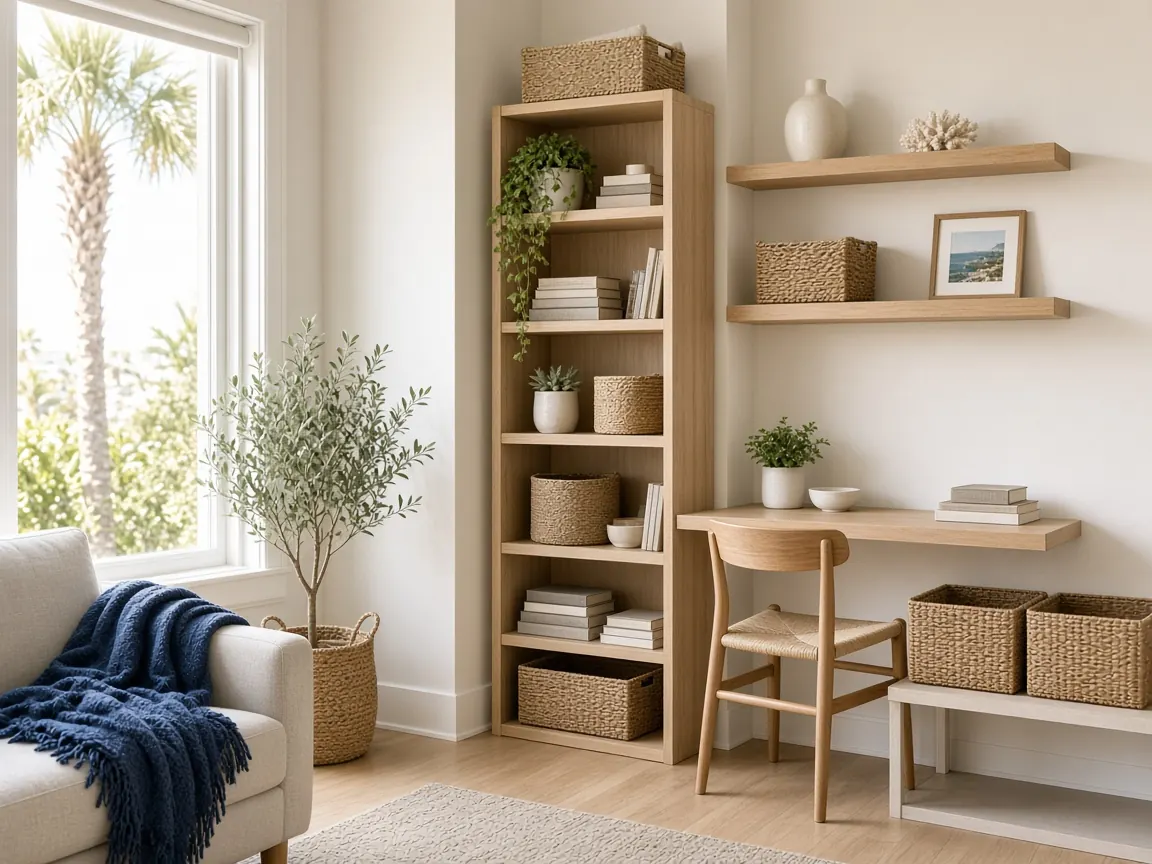
- Map vertical real estate: walls, over-door, high shelves.
- Create one shared catch-all that is bounded, not infinite.
- Use the keep / donate / discard exits before buying bins.
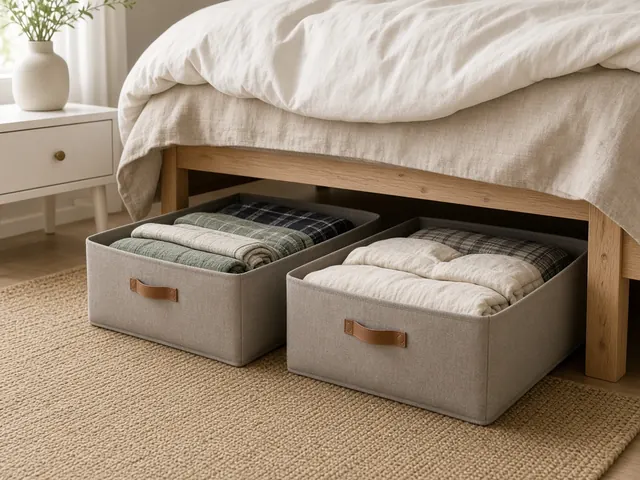
- Review under-bed storage twice a year—details here.
Household example
A studio resident stops buying cube bins after noticing unused craft supplies filled three of them. After donating unused supplies, one shelf holds current hobbies and the room gains floor space without a new furniture run.
Common mistakes
- Filling every inch until cleaning is impossible.
- Blocking HVAC vents or heaters.
- Using the oven as storage (unsafe).
- Ignoring shared building rules about hallway storage.
Recycling and donation still require exit trips; the EPA overview helps you think about materials, while local rules decide the details.
Conclusion
Small-space storage works when it stays searchable and partly empty. Vertical placement, labeled rare items, and declutter-first habits beat endless bin purchases.
Putting this into a realistic week
Pick one action from this guide and schedule it on a day you already have a little margin. Write the action in plain language on a calendar, sticky note, or the home organization reset planner. Keep the first attempt smaller than your ambition. A finished short session teaches more than an unfinished heroic one.
If other people share the home, tell them what zone you are finishing and what “done” looks like. Shared expectations prevent someone from refilling a cleared space with a new pile while you are still holding the donate bag. Review the result the next morning: Can you find what you need? Did trash leave? Did donate leave? Those three checks matter more than how the space photographs.
Return to this page only when you need a refresher. The goal is a household system you can maintain with ordinary energy, not a continuous reading project. Combine this guide with related reading linked above when you are ready for the next zone—not all at once.
What this guide does not claim
OrganizedNest publishes educational information for US households. We do not claim that an organized home will fix stress, relationships, finances, or sleep problems. We do not invent professional organizer credentials, before-and-after testimonials, or statistics. We do not sell products or place affiliate shopping links inside guides.
Your home, climate, budget, and household size matter. Adjust any checklist. Skip steps that do not help. If a task involves ladder safety, heavy lifting, or hazardous materials, follow product labels and local rules, and get help when needed. Practical home safety overviews from the U.S. Consumer Product Safety Commission are a useful general reference for household hazards unrelated to organizing fashion.