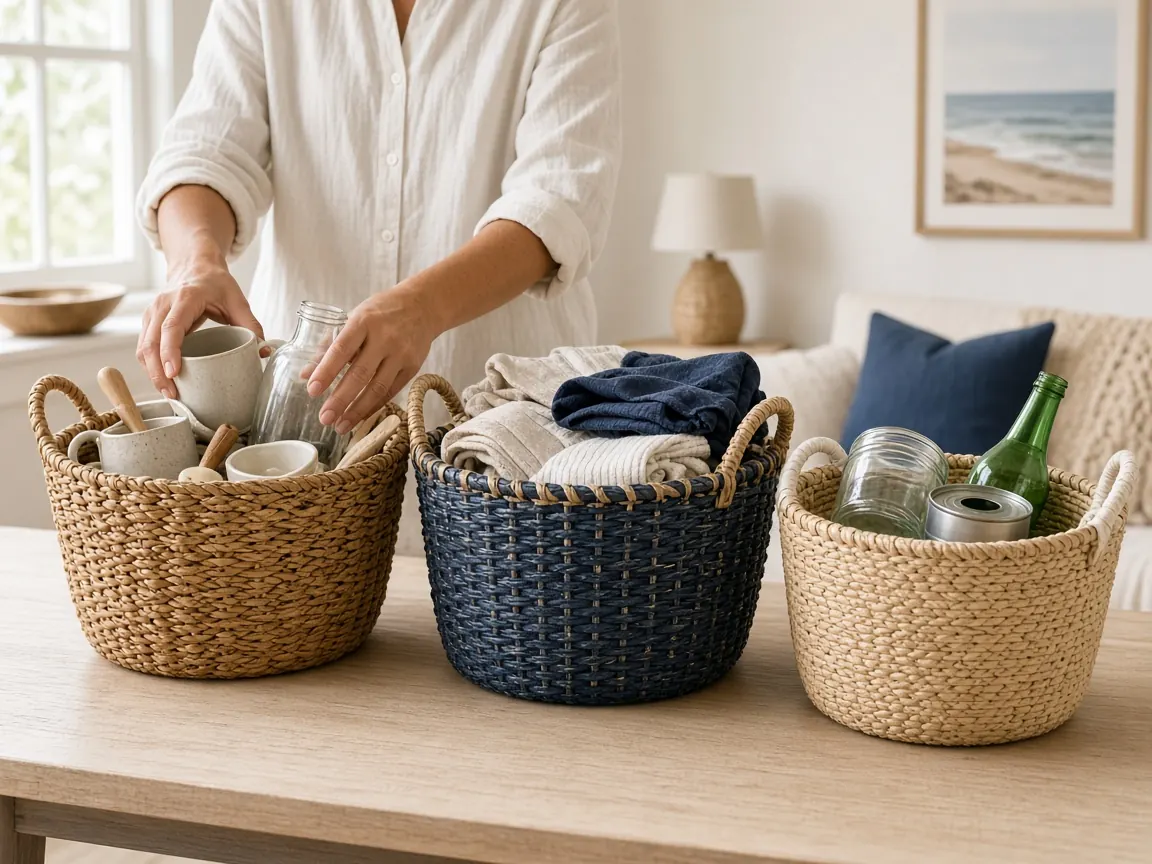
Sorting goes faster when every item has only a few legal destinations. Endless maybe piles feel gentle in the moment and expensive later, because they occupy tables, beds, and mental bandwidth. A simple keep / donate / discard framework keeps decisions short enough to finish in one sitting. You do not need a color-coded flowchart for a kitchen drawer.
This guide is educational. It does not rank your values, shame volume of belongings, or claim a number of items that equals a “good” home. OrganizedNest does not sell bins, run donation pickups, or take a cut from any product.
Define the three exits before you touch the pile
Keep means the item stays in this household and has a home you can name out loud. “Somewhere in the spare room” is not a home. If you cannot name the home, you are not finished deciding—you are parking the decision for a future self who already has enough work.
Donate means the item is usable by someone else and will leave through a donation center, mutual aid group, or a friend who already agreed to take it. Usable matters. Broken lamps, stained towels, and recalled gear are often discard, not donate. Donation centers are not trash services.
Discard covers trash and recycling according to your local rules. The EPA’s recycling overview is a starting point; your city or hauler has the final list for plastics, electronics, and bulk items. When in doubt, check the local list instead of wish-cycling items that contaminate a bin.
Questions that keep decisions honest
- Did I use this in the last twelve months, or is there a dated event when I will use it?
- Would I replace it this month if it disappeared today?
- Is it a duplicate of something that already works?
- Does keeping it require a whole new storage system I do not have?
- Am I keeping it only to avoid feeling wasteful? If yes, donate or recycle may be the less wasteful path.
- Does this item create a safety issue—tripping, blocking exits, or storing chemicals poorly?
Sentimental items get a smaller, intentional box—not the dining table. Photographing a child’s artwork before recycling some of it is a valid compromise for many families. The point is intention, not coldness.
A practical sorting layout
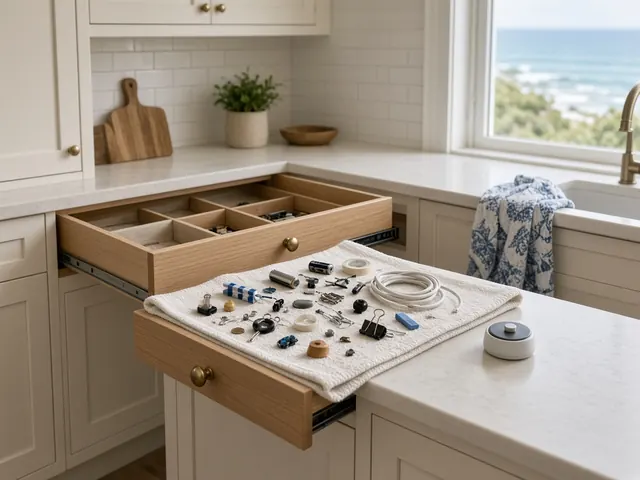
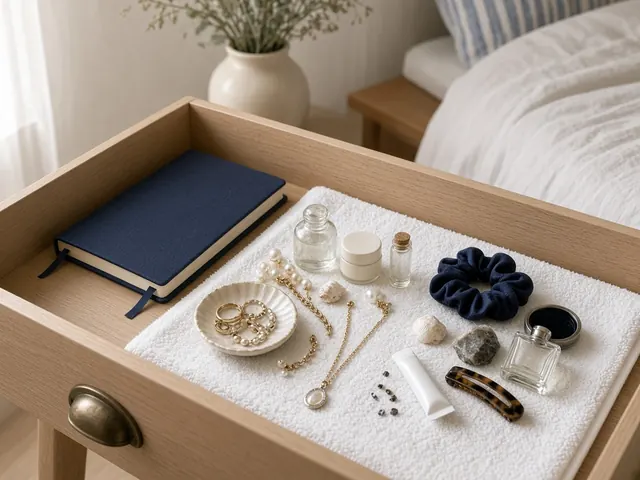
Work on a towel or sheet so small parts do not vanish. Empty the zone completely. Sort into the three exits plus a thin “belongs elsewhere” box. Return keepers. Walk the elsewhere box to the correct rooms before you sit down. Take trash out. Put donate in the car. If you stop after sorting and leave bags in the hallway, you have created a new piece of furniture.
If two people share the home, agree on shared zones first. One person should not quietly discard the other’s hobby supplies. Shared rules reduce later conflict more than silent midnight purges. A sticky note on a shared shelf—“ask before donating”—is often enough.
Household example
A hallway closet holds old cables, two broken vacuums’ attachments, and guest towels. Keep: working cables for devices you own, one set of guest towels. Donate: extra intact towels. Discard/recycle: orphan cables and cracked plastic. The closet then holds a vacuum, a step stool, and towels—not a museum of maybe. The next person who needs a towel can find one without a scavenger hunt.
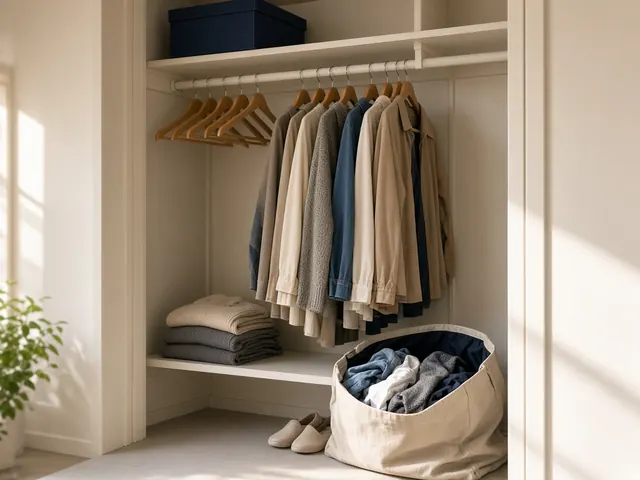
Clothes need the same honesty. If an item has not been worn in a full season of appropriate weather, it is a candidate for donate. Pair this framework with a closet reset so hangers are not holding guilt. Kitchen duplicates respond well too: three spatulas that work do not become better when a fourth arrives “on sale.”
What about “sell”?
Selling can be a fourth exit if you already sell things regularly and have a deadline. Without a deadline, “sell later” often becomes a dusty stack that blocks a chair. If you do sell, set a date: two weekends, then donate the remainder. The framework stays simple when selling is optional and time-bound. Photograph items once, list them once, and refuse to renegotiate with yourself every night.
Common mistakes
- Creating a fourth pile called “later” that becomes permanent.
- Donating items that are unsafe or unusable.
- Keeping broken things “for parts” without a labeled parts bin or a repair date.
- Buying matching bins before the keep pile exists.
- Letting donations wait by the door until they feel like furniture.
- Using discard bags for items that belong in hazardous-waste drop-off.
Connect this framework to starting without overwhelm and finishing one drawer. Maintenance afterward matters as much as the first sort—see room-by-room maintenance.
A short checklist
- Name the three exits out loud before emptying the zone.
- Keep only what has a home.
- Donate only what is usable; discard the rest responsibly.
- Move “elsewhere” items the same session.
- Remove trash and donate bags from the living space before you stop.
Conclusion
Keep, donate, and discard are enough choices for most household sorting. Name the home for keepers, make donate leave the building, and discard through the right stream. Short decisions, finished zones, and fewer maybe piles will do more for daily calm than a complicated personality-based system that looks clever and never ends.
Putting this into a realistic week
Pick one action from this guide and schedule it on a day you already have a little margin. Write the action in plain language on a calendar, sticky note, or the home organization reset planner. Keep the first attempt smaller than your ambition. A finished short session teaches more than an unfinished heroic one.
If other people share the home, tell them what zone you are finishing and what “done” looks like. Shared expectations prevent someone from refilling a cleared space with a new pile while you are still holding the donate bag. Review the result the next morning: Can you find what you need? Did trash leave? Did donate leave? Those three checks matter more than how the space photographs.
Return to this page only when you need a refresher. The goal is a household system you can maintain with ordinary energy, not a continuous reading project. Combine this guide with related reading linked above when you are ready for the next zone—not all at once.
What this guide does not claim
OrganizedNest publishes educational information for US households. We do not claim that an organized home will fix stress, relationships, finances, or sleep problems. We do not invent professional organizer credentials, before-and-after testimonials, or statistics. We do not sell products or place affiliate shopping links inside guides.
Your home, climate, budget, and household size matter. Adjust any checklist. Skip steps that do not help. If a task involves ladder safety, heavy lifting, or hazardous materials, follow product labels and local rules, and get help when needed. Practical home safety overviews from the U.S. Consumer Product Safety Commission are a useful general reference for household hazards unrelated to organizing fashion.