Bedroom surfaces quietly become storage: nightstands hold chargers, lip balm, mail, water glasses, and unread books until there is no place for a lamp. Clearing them is not about hotel-room minimalism. It is about a room that can reset at night so sleep is not surrounded by unfinished tasks.
This guide stays practical and educational. It does not prescribe sleep medicine, interior design brands, or wellness claims.
The one-tray rule
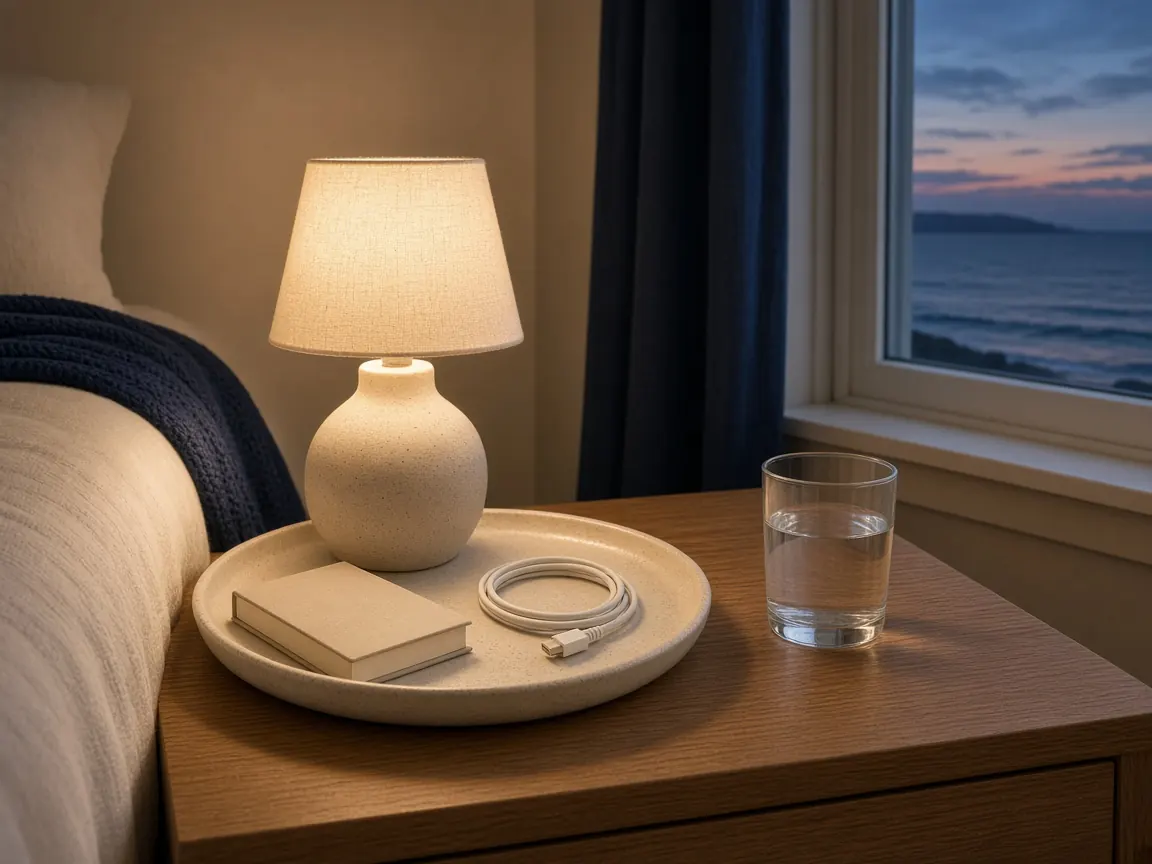
Give each nightstand one tray or shallow dish for true nightly items: current book, lip balm, earplugs, a single charging cable. Everything else finds a home elsewhere or exits. If the tray overflows, the overflow is a decision, not a bigger tray.
Dressers are not display warehouses. Keep a small set of daily items if needed; return laundry to drawers; move paperwork to an inbox outside the bedroom if you can. Bedrooms refill with stress when they double as offices without boundaries.
- One charging spot per person, cord managed.
- Water glass allowed; sticky rings wiped in the evening reset.
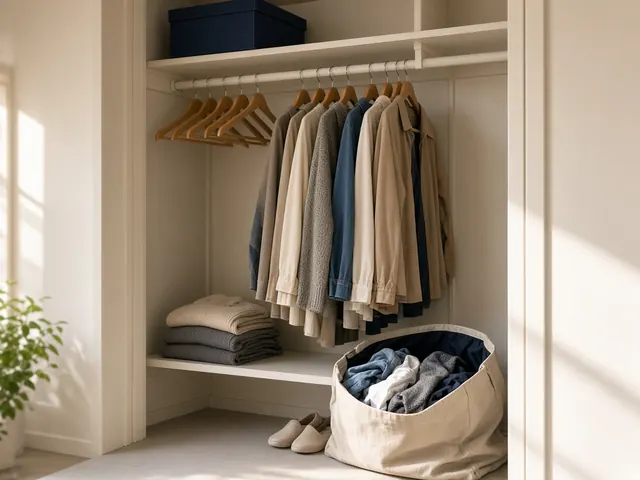
- Laundry in a hamper, not on a chair that becomes permanent.
- Empty mugs leave the bedroom before lights out.
A three-minute evening surface clear
- Return clothes to hamper or closet.
- Move papers and devices that do not sleep with you.
- Wipe the nightstand tray.
- Make a path beside the bed clear for safe walking—household safety basics from resources like the CPSC home safety guides remind us that clear floors matter.
Attach this to the ten-minute evening reset. Pair with closet resets so clothes have somewhere to go besides the chair.
Household example
A couple’s nightstands hold two remotes, four chargers, and a stack of magazines. They agree on one tray each, a shared charging shelf on a dresser, and magazine recycling once a month. The room does not become empty. It becomes quieter visually, which makes the evening reset feel possible instead of fake.
Common mistakes
- Using the bed as a sorting table for days.
- Storing medications loosely where children or pets can reach—use secure storage instead.
- Letting “decorative” piles become permanent clutter.
- Skipping shared agreements in shared rooms.
Conclusion
Calm bedroom surfaces come from small rules: one tray, a hamper that gets used, chargers with a home, and a nightly clear. You do not need a showroom. You need a room that can end the day.
Putting this into a realistic week
Pick one action from this guide and schedule it on a day you already have a little margin. Write the action in plain language on a calendar, sticky note, or the home organization reset planner. Keep the first attempt smaller than your ambition. A finished short session teaches more than an unfinished heroic one.
If other people share the home, tell them what zone you are finishing and what “done” looks like. Shared expectations prevent someone from refilling a cleared space with a new pile while you are still holding the donate bag. Review the result the next morning: Can you find what you need? Did trash leave? Did donate leave? Those three checks matter more than how the space photographs.
Return to this page only when you need a refresher. The goal is a household system you can maintain with ordinary energy, not a continuous reading project. Combine this guide with related reading linked above when you are ready for the next zone—not all at once.
What this guide does not claim
OrganizedNest publishes educational information for US households. We do not claim that an organized home will fix stress, relationships, finances, or sleep problems. We do not invent professional organizer credentials, before-and-after testimonials, or statistics. We do not sell products or place affiliate shopping links inside guides.
Your home, climate, budget, and household size matter. Adjust any checklist. Skip steps that do not help. If a task involves ladder safety, heavy lifting, or hazardous materials, follow product labels and local rules, and get help when needed. Practical home safety overviews from the U.S. Consumer Product Safety Commission are a useful general reference for household hazards unrelated to organizing fashion.